
Jet Air vs Sea Freight Comparison
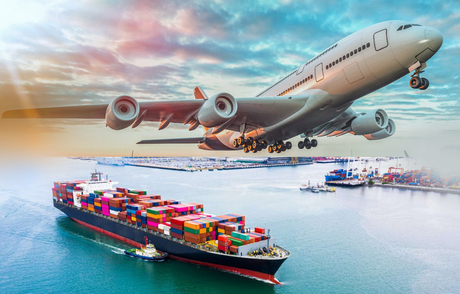
Speed
Jet Air Freight:
Much faster than sea freight, often delivering goods in 1–5 days, depending on the destination.
Ideal for time-sensitive shipments, such as perishable goods, urgent documents, or high-value items.
Sea Freight:
Slower, typically taking weeks or even months for long-distance shipments.
Suitable for non-urgent, bulk, or heavy cargo where delivery time is not critical.
Cost
Jet Air Freight:
Significantly more expensive than sea freight due to higher fuel costs, handling fees, and limited cargo space.
Cost-effective for smaller, high-value, or time-sensitive shipments.
Sea Freight:
Far more economical for large, heavy, or bulky shipments.
Lower cost per unit of weight or volume compared to air freight.
Cargo Capacity
Jet Air Freight:
Limited cargo space, making it less suitable for large or heavy shipments.
Weight and size restrictions apply due to aircraft limitations.
Sea Freight:
Can handle significantly larger volumes and heavier cargo, including oversized items like machinery or vehicles.
Ideal for bulk shipments, such as raw materials or large quantities of goods.
Environmental Impact
Jet Air Freight:
Higher carbon footprint due to fuel consumption and emissions.
Less environmentally friendly compared to sea freight.
Sea Freight:
More eco-friendly, producing fewer emissions per ton of cargo transported.
Slower speed contributes to lower fuel consumption relative to air freight.
Reliability and Frequency
Jet Air Freight:
Frequent departures and faster transit times make it highly reliable for urgent shipments.
Less affected by weather-related delays compared to sea freight.
Sea Freight:
Schedules are less frequent, and transit times can vary due to weather, port congestion, or routing.
More prone to delays but offers consistent service for non-urgent shipments.
Security and Risk
Jet Air Freight:
Generally considered safer and more secure due to shorter transit times and stricter handling procedures.
Lower risk of theft or damage.
Sea Freight:
Longer transit times increase exposure to risks like piracy, theft, or damage.
However, modern containerization has improved security and reduced risks.
Customs and Documentation
Jet Air Freight:
Faster customs clearance due to the urgency of air shipments.
Documentation is streamlined but still required.
Sea Freight:
Customs clearance can take longer due to the volume of goods being processed.
More complex documentation is often required.
Suitability
Jet Air Freight:
Best for high-value, perishable, or time-critical goods (e.g., electronics, pharmaceuticals, fashion items).
Sea Freight:
Ideal for bulky, non-perishable, or low-value goods (e.g., furniture, machinery, raw materials).